
Shifting testing requirements for heavy metals and pesticides are placing severe financial strain on small cannabis cultivators, with laboratory testing costs reaching tens of thousands of dollars annually. These operators face mounting compliance challenges as complex regulatory regimes require additional staff or consultants, while testing failures result in destroyed harvests and significant revenue losses. Limited banking access forces reliance on expensive private lenders, creating cash flow problems that threaten business viability. Strategic cooperative solutions and technological innovations offer pathways forward.
Financial Strain and Operational Challenges for Small-Scale Operations
While large cannabis operations can absorb regulatory costs through economies of scale, small cultivators face mounting financial pressures that threaten their viability in increasingly regulated markets.
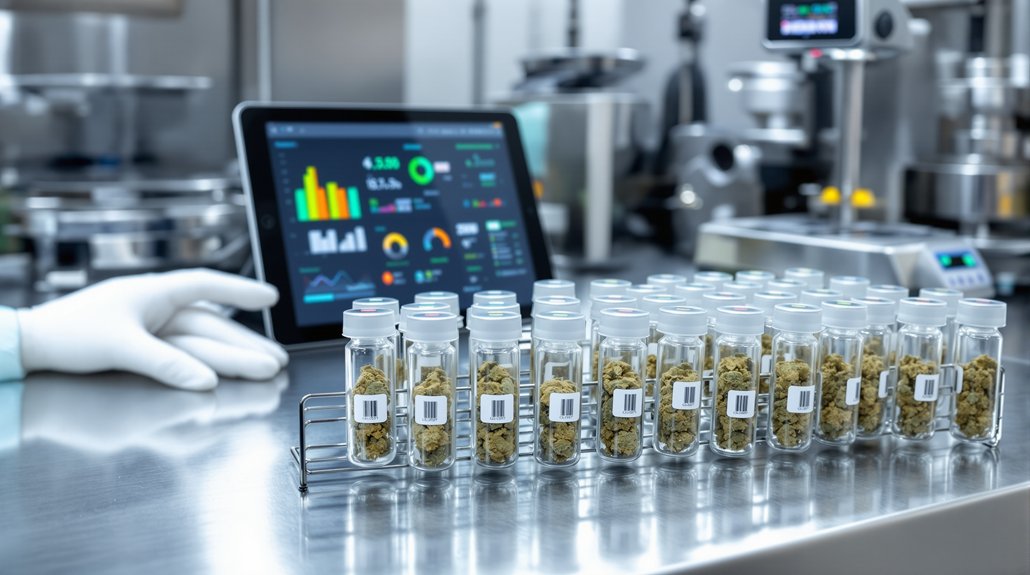
Advanced laboratory testing for heavy metals and pesticides can cost tens of thousands of dollars annually, creating substantial overhead for operators with limited capital reserves. Testing failures result in significant revenue losses per batch, forcing some cultivators to destroy entire harvests.
Complex compliance regimes require additional staff or consultants, further straining budgets. Without access to traditional banking, small operators rely on high-cost private lenders or cannabis-specific loans with elevated interest rates. Most small cultivators must conduct cash transactions due to limited access to the 831 financial institutions currently serving cannabis businesses. Small cultivators also face intensifying pressure from industry consolidation as major alcohol and tobacco companies enter the cannabis market with superior capital and regulatory resources.
This financial squeeze, combined with frequent regulatory changes requiring ongoing investment in updated protocols, creates a cycle of undercapitalization that many small-scale operations struggle to overcome. The fragmented regulatory landscape across different states compounds these challenges, as cultivators operating in multiple jurisdictions must navigate varying compliance requirements and testing standards.
Strategic Solutions and Industry Adaptation Approaches
Small cultivators have responded to mounting compliance pressures by developing innovative approaches that leverage collective resources and strategic operational adjustments.
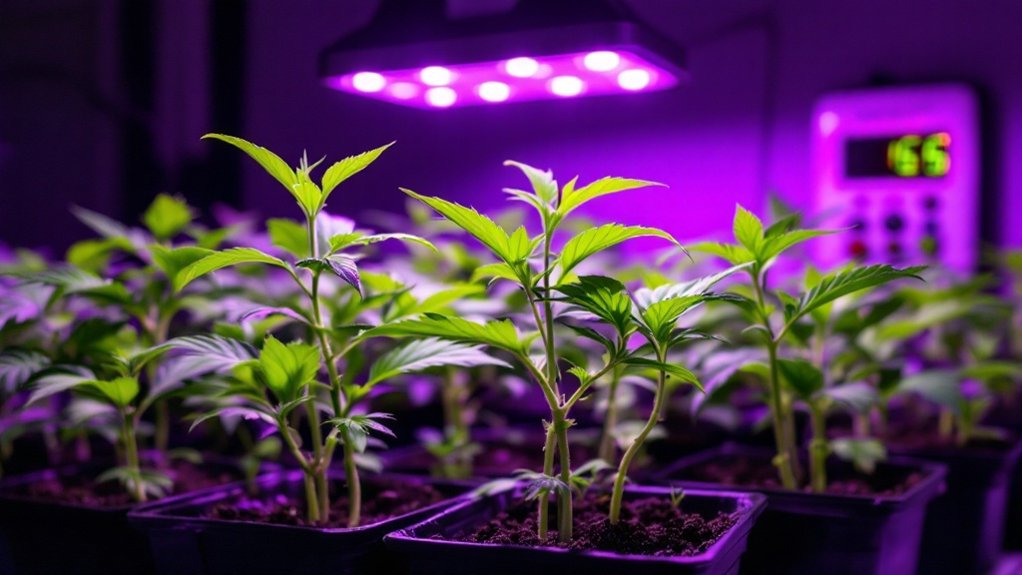
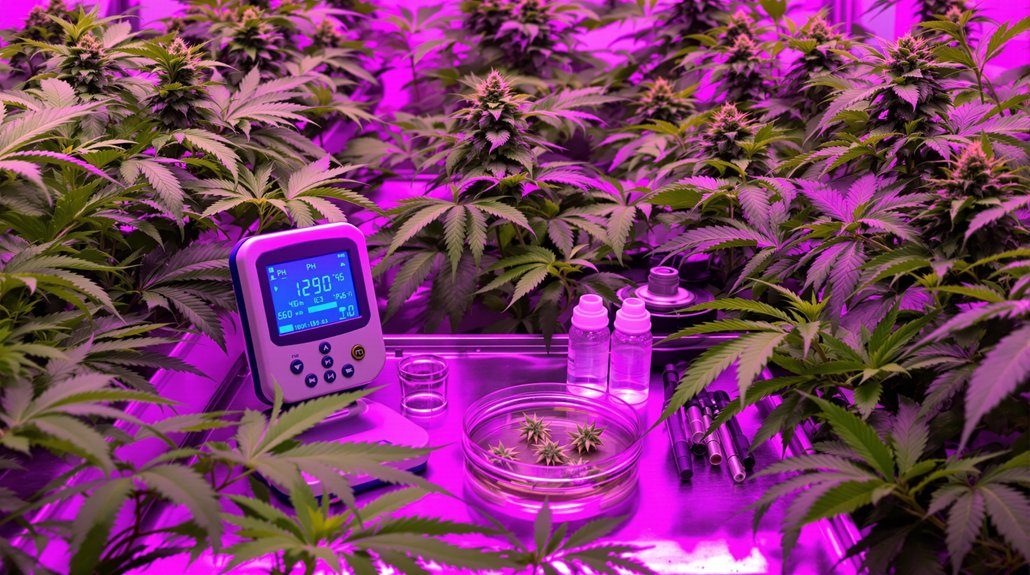
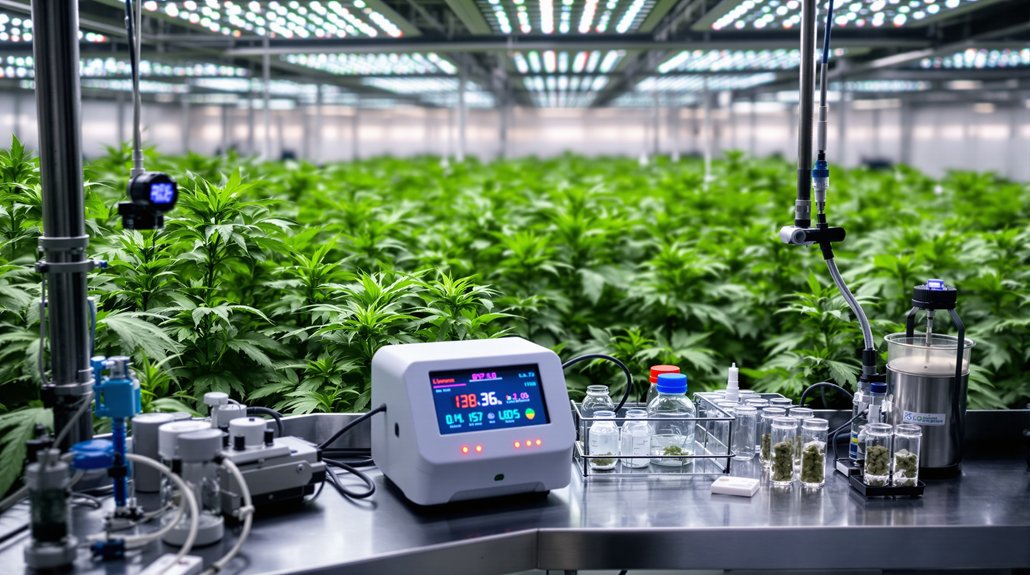
Cultivator cooperatives have emerged as a primary solution, allowing operators to pool resources for testing costs and negotiate group rates with certified analytical labs. These collaborative models enable shared access to mobile testing facilities and bulk purchasing power for compliance consulting services. AI-powered sensors are being deployed to monitor plant conditions throughout the growth cycle, enabling early detection of potential contamination issues before they affect compliance testing.
Many small-scale operations have invested in compact, validated in-house screening equipment to identify contamination issues before formal lab submission. This pre-screening approach reduces failure rates and enables batch-splitting strategies to salvage compliant portions. The recent reduction in maximum batch sizes from 100 pounds to 33.07 pounds has forced many cultivators to restructure their processing workflows entirely. Operations that fail initial testing can utilize reserve samples for reanalysis, providing a crucial safety net for batch salvage efforts.
Pre-screening technology allows small cultivators to detect contamination early, reducing costly test failures and enabling selective harvest of compliant cannabis batches.
Additionally, cultivators are implementing scheduled sampling calendars and diversifying relationships with multiple accredited testing labs to minimize disruptions and guarantee continuous operations despite regulatory bottlenecks.
Looking for more information about commercial growing? Check out our Guide to Cannabis Cultivation: Technology & Innovation.